When I began writing this article, I had one question typed out followed by a blinking cursor: why can’t I get started?
It seems so difficult to get going. Whether it was staring at a blank page hoping my fingers would magically create something, or staring at a filled page hoping I’d magically edit chaos into order, or even doing a simple task such as, “find cover photo,” it always seemed like a mountain to climb.
Why is taking the first step so difficult? People wiser than me, and with more letters next to their names, say it could be due to fear, lack of direction, relying too much on motivation or will power, lack of knowledge, starting too big… the list is endless. It’s probably a combination, but I mainly blame procrastination. I’ve procrastinated all my life, so this must be it. But wait, there have been times when I start immediately, like watching TV or getting candy.
In an unsubtle way to self-promote, I thought to how all decisions are mine and a light bulb went off in my head: even procrastination is a decision.
So I dug into my process of writing to look for not why I procrastinate, but how.

This is what I thought my process was:
- sit down
- turn on computer
- open Notion
- start writing
In reality, the truth was embarrassing:
- sit down
- turn on computer
- open Notion
- stare at blinking cursor
- check email and social media
- check sports news on ESPN
- check phone
- repeat steps 4-7 to infinity
- get distracted by pets cause they are so freaking cute and how could you ignore them?
- repeat steps 4-7
- start writing
Side note: While writing this list, I checked ESPN. Twice. Damn it. 🤦🏻
I knew I was doing this, but did I really? I thought about how I started other activities and noticed “filler steps” everywhere, even in the most straightforward ones. I always hit the snooze button, I check my phone or day dream while exercising, and cleaning the house is littered (was that a pun?) with tangents.
These filler steps are akin to side quests in a story. Some may play a role, but many do not move the main story forward.
As I was thinking about how easily I get distracted before tasks, I noticed the same distractions appeared even after I managed to get started.
It’s here I recognized a significant step I’ve been ignoring before the first step. That step was the transition. When so focused on what happens after we get started, we don’t consider the ritual that comes before. It’s the transition that sets the tone for how we proceed. In the sports world, there’s the transition before the start of the game, commonly referred to as the “pre-game ritual.” Every player has their own version to get into game mode. When applied to working or writing, it would be getting into a flow state.
When fighting to get started, take a look at the transition before the activity. Chances are, there’s filler steps that have bled into our pre-game rituals. We’ve let procrastination become a habit that has taken root into many of our systems. Some may even be hidden within healthy habits. My example is with freewriting.
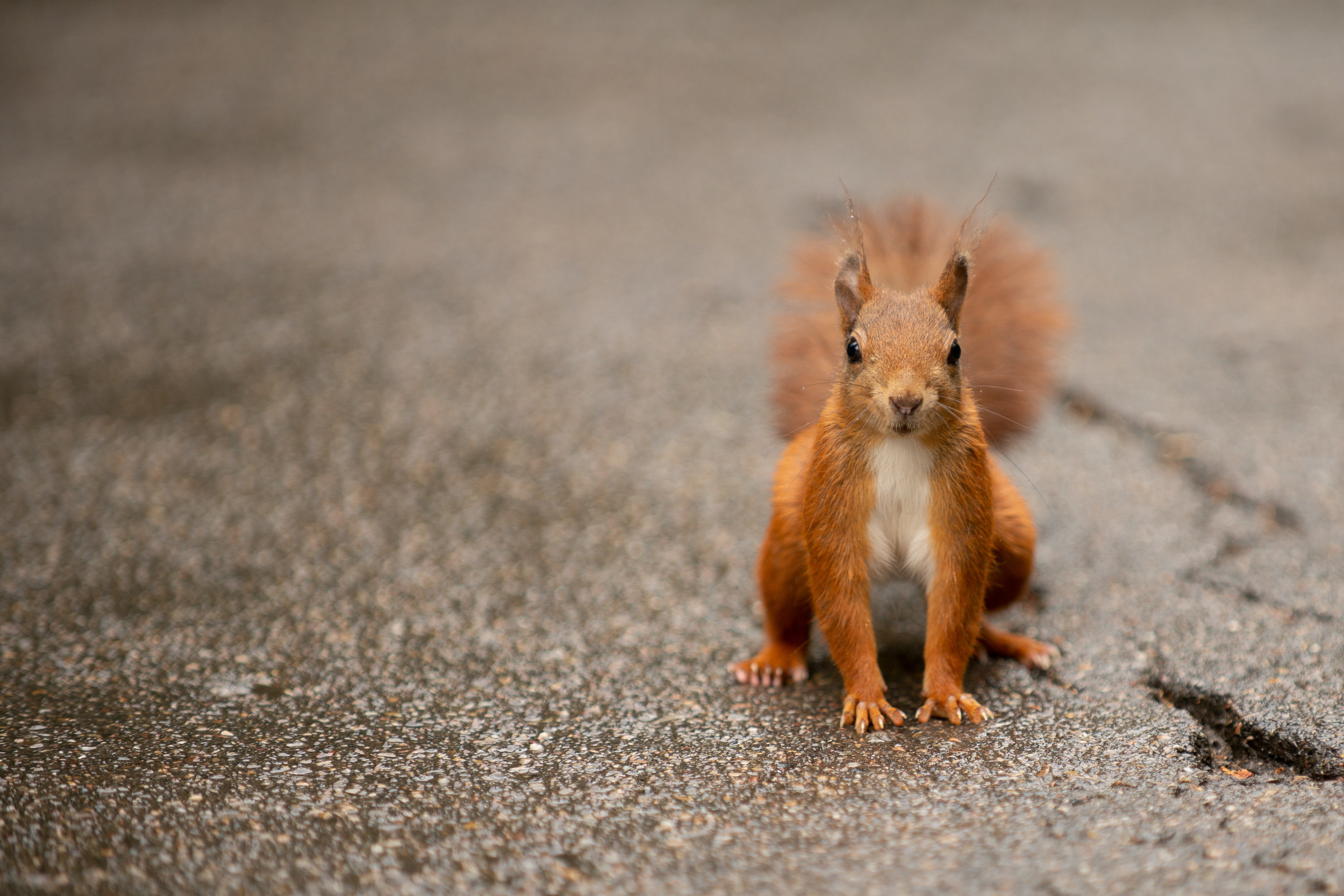
I’ve been freewriting in the morning for almost 9 months, but I found procrastination habits embedded in the sessions. I’d write one sentence, stare out the window for a minute, write some more, get distracted by a squirrel, and continue this off and on writing. Although I completed the task, I never got into a writing flow state.
So I made an adjustment to be actively aware of my actions while freewriting. I told myself this was part of my transition to freewrite, that I must not allow distractions to take my focus, which then would set the tone moving forward.
As I began this practice, I thought it would be the fix I needed to be completely focused. I learned quickly though, old habits die hard. My mind had become accustomed to frequent breaks and allowing thoughts and squirrels to take attention at any moment.
As I struggled to adjust, I was frustrated at myself for being sidetracked so often. Freewriting became noticeably harder, which I did not want to accept. But a thought dawned on me: it became more difficult because I was adjusting the process. Struggling was actually a good sign. It showed I was trying to improve. Lately as I freewrite, I catch distractions quicker and can get back to writing. While it has been more frustrating, I feel much more accomplished when I’m able to finish.
By starting to look at the transition into freewriting, I’ve found poor transitions in other parts of my life. Even just a few months ago, I would have went on an extreme endeavor of overhauling all my transitions and rituals at once, expecting massive change in a matter of days. However, I’ve learned slowly and painfully, that while resetting everything would be ideal, it’s not realistic.
So I’ve started by looking at my morning routine, which I’m calling Opening Credits, and am currently reworking it with the transition in mind. My reasoning for beginning with the morning is that setting a better flow between morning activities sets the tone for the rest of the day, similar to how an opening scene for a movie sets the tone for the rest of the film.
To dig even deeper, and to start smaller, my main priority is getting up without snoozing. This seems to be a small transition with two steps (wake up, get out of bed), but has a strong impact for the rest of the day.
Snoozing is a procrastination habit. By repeatedly snoozing, I have been subconsciously telling myself that it’s okay to procrastinate. While sometimes it’s okay to snooze, I’ve set a new rule of not snoozing two days in a row. As of this writing, I’ve successfully not snoozed 5 out of the last 7 days, which I have to say is pretty damn amazing. Go me.
The adjustment was knowing exactly what I would be doing when I awoke, my Opening Credits, which I made into a checklist in Notion. I won’t lie, I still idle and reach for the phone more often then I’d like, but knowing what to do next, and seeing a growing list of completed items, gives me the kick I need to keep moving.
While I’ve been focused primarily on just two things, writing and snoozing, I now find myself catching filler steps elsewhere. Even though starting small, my mind has started to adapt this practice to other areas. It seems to be adjusting in the background, which feels pretty good.
I always thought I couldn’t get started because I was lazy and lacked the skills. However becoming aware of my poor transitions, I’ve realized that it’s my transition ritual that has eaten away at my abilities to accomplish things.
So pick a couple things you want to do without delaying, and take a look at your transition leading up to the activity. You may have filler steps that appear in both your transition and working mode that prevent you from starting and getting into a flow state.
Once you decide which two transitions you want to clean up, write down honestly what you do leading up to the activity, even if it’s glaringly obvious. Writing these down makes it easier to catch to help you stay focused.
So get going. Become aware of transitions and start removing filler steps to get your story moving forward.
Image Credits:
Writing: Photo by Glenn Carstens-Peters on Unsplash
Squirrel: Photo by Peter Neumann on Unsplash
 OutsideTheWell